Archives
- 2026-08
- 2026-07
- 2026-06
- 2026-05
- 2026-04
- 2026-03
- 2026-02
- 2026-01
- 2025-12
- 2025-11
- 2025-10
- 2025-09
- 2025-03
- 2025-02
- 2025-01
- 2024-12
- 2024-11
- 2024-10
- 2024-09
- 2024-08
- 2024-07
- 2024-06
- 2024-05
- 2024-04
- 2024-03
- 2024-02
- 2024-01
- 2023-12
- 2023-11
- 2023-10
- 2023-09
- 2023-08
- 2023-07
- 2023-06
- 2023-05
- 2023-04
- 2023-03
- 2023-02
- 2023-01
- 2022-12
- 2022-11
- 2022-10
- 2022-09
- 2022-08
- 2022-07
- 2022-06
- 2022-05
- 2022-04
- 2022-03
- 2022-02
- 2022-01
- 2021-12
- 2021-11
- 2021-10
- 2021-09
- 2021-08
- 2021-07
- 2021-06
- 2021-05
- 2021-04
- 2021-03
- 2021-02
- 2021-01
- 2020-12
- 2020-11
- 2020-10
- 2020-09
- 2020-08
- 2020-07
- 2020-06
- 2020-05
- 2020-04
- 2020-03
- 2020-02
- 2020-01
- 2019-12
- 2019-11
- 2019-10
- 2019-09
- 2019-08
- 2019-07
- 2019-06
- 2019-05
- 2019-04
- 2018-07
-
Other enzymes outside of the circadian clock also have
2020-04-24
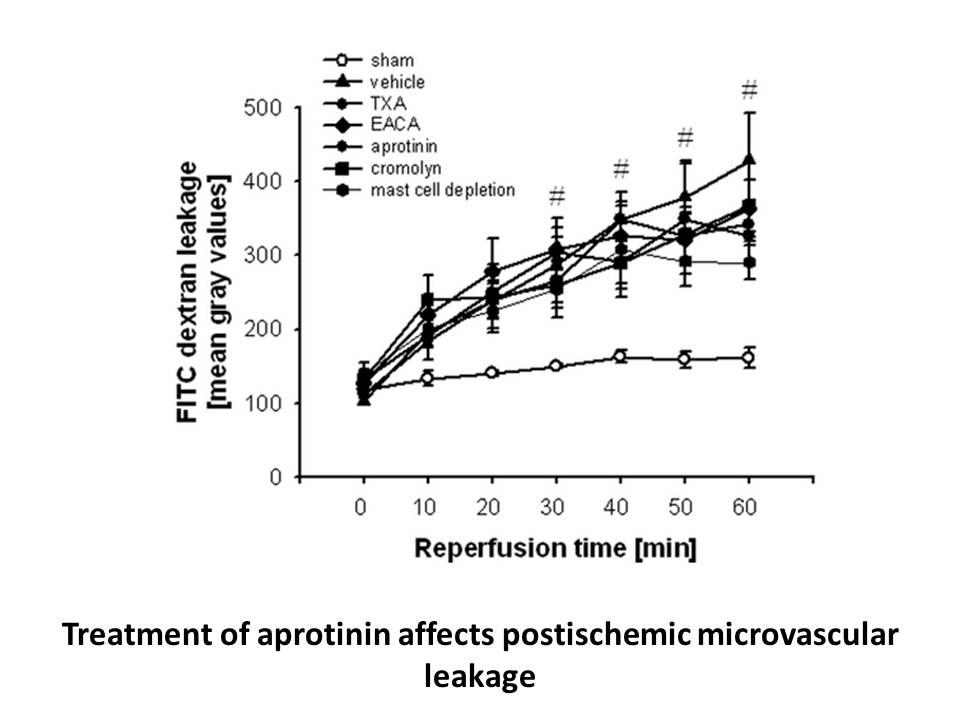
Other Solasodine outside of the circadian clock also have effects on CR. Lithium, a drug used to treat bipolar disorder, has been shown to lengthen τ in a variety of systems [17]. While the molecular mechanism whereby lithium exerts its therapeutic effect is unclear, it is known to be an inhibitor
-
During the first year of life there
2020-04-22
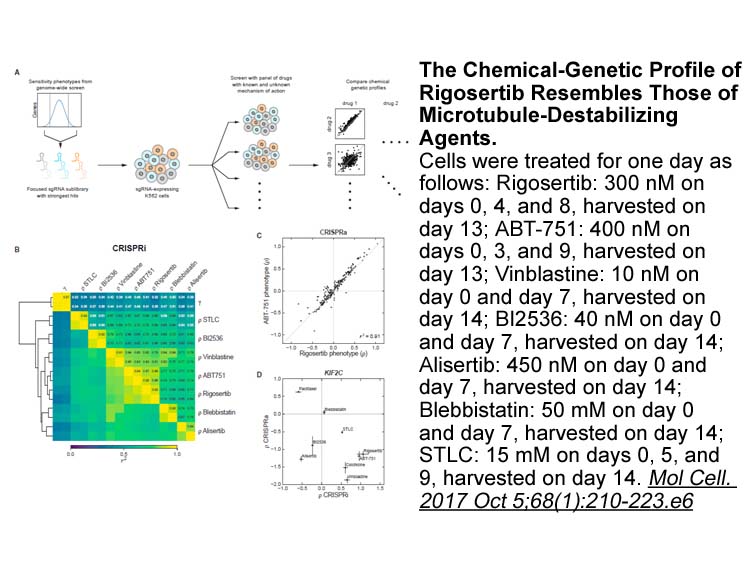
During the first year of life, there was no interaction between cholesterol precursors and cholestanol, suggesting that cholesterol homeostasis was not yet developed. From the age of 1 year, cholesterol homeostasis could be considered intact. According to Fig. 1, cholesterol Caspase-9 Fluorometric A
-
Currently phosphodiesterase type PDE inhibitors are
2020-04-22
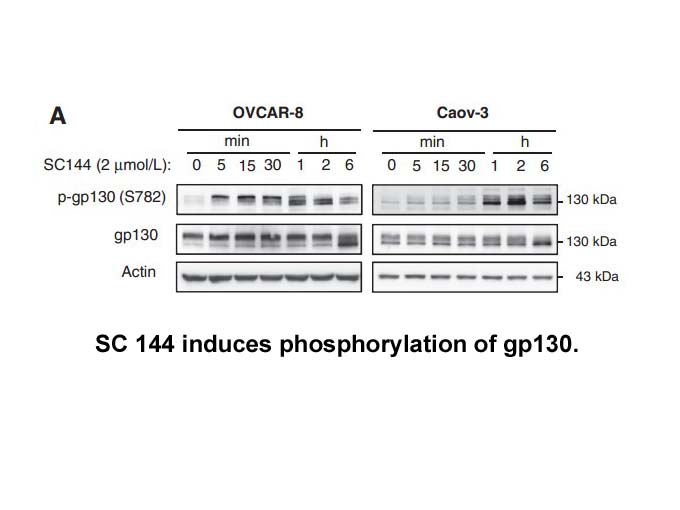
Currently, phosphodiesterase type 5 (PDE-5) inhibitors are used widely as the first- line oral treatment for erectile dysfunction of varying causes. Radical prostatectomy for the treatment of prostate cancer is frequently associated with erectile dysfunction, and this type of erectile dysfunction is
-
Mitophagy is a selective autophagic process which leads to
2020-04-22
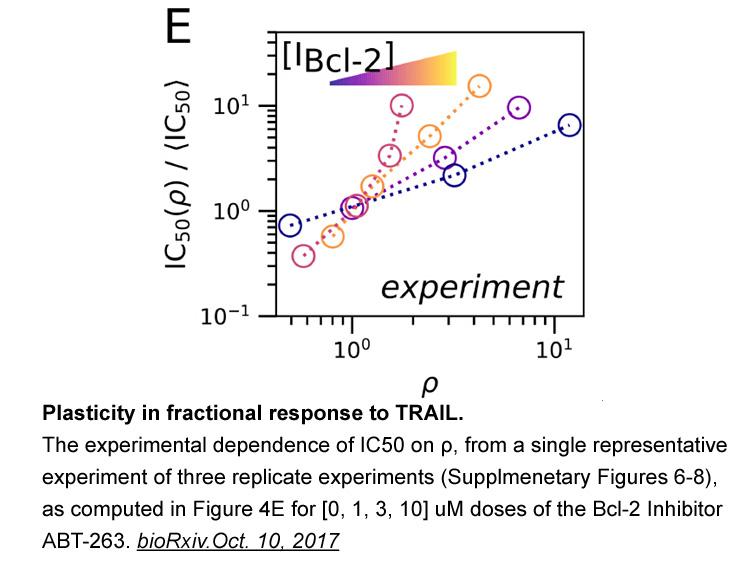
Mitophagy is a selective autophagic process which leads to the degradation of damaged mitochondria in response to metabolic or environmental stress conditions. In this study, we found that LFS-01 treatment significantly enhances p62 in a time-dependent manner. We found that the upregulation of p62 i
-
In the present study the A P ratio
2020-04-22

In the present study, the A/P ratio in the MCF-7 cell line was significantly increased by the combination of 1 nM E2 and progestogens, except P4, as well as by10 nM E2 combined with NET. The similar findings were also noted by several reports [16], [17], [18], [19], [20] in which progestogens combin
-
We hypothesize that both IGF dependent kinase
2020-04-22
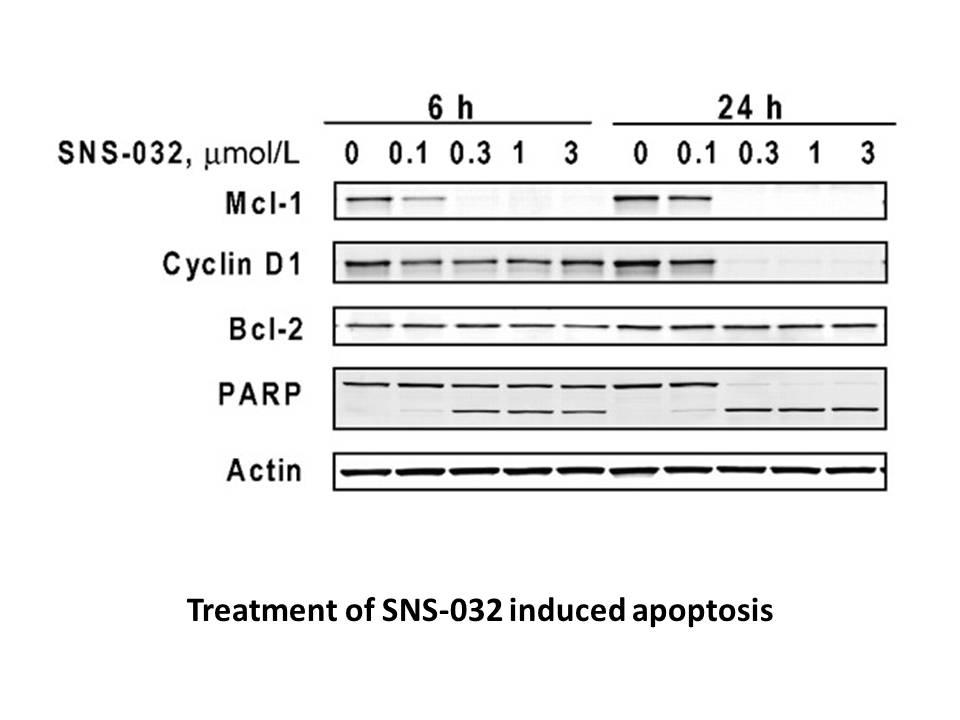
We hypothesize that both IGF-1-dependent kinase activation and locally synthesized neuroestrogens interactively regulate estrogen receptor activity in neuronal s6 kinase in the absence of exogenously applied estradiol. The Neuro-2A cell line was chosen as the model system for these studies because I
-
br Materials and methods br Results and discussion br
2020-04-22

Materials and methods Results and discussion Concluding remarks Together, the results of the theoretical kinetic simulations and of the analysis of the experimentally determined kinetic data of SoBADH performed in this work show that ignoring substrate inhibition causes potentially importan
-
Our results indicate an OT
2020-04-22
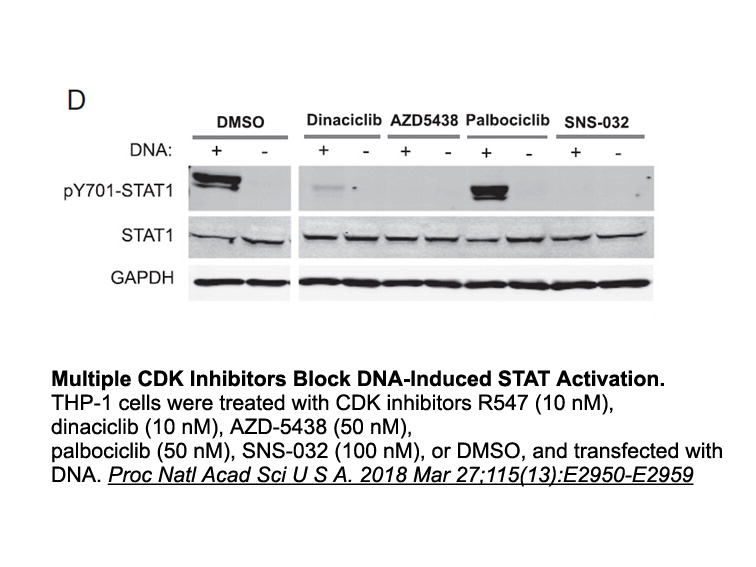
Our results indicate an OT-specific activation of PKR that inactivates eIF2a and may, by this means, reduce protein translation by utilizing only select sensors and mediators of the UPR (i.e., avoiding significant PERK activation). Interferon is a PKR activator [32] that temporarily subdues cellular
-
Recently a method for in vivo photoactivation of
2020-04-22
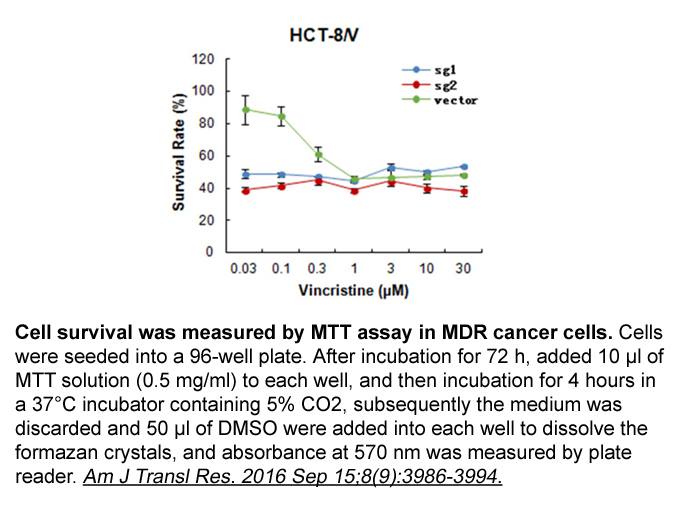
Recently, a method for in vivo photoactivation of Obeticholic Acid expressing PA-GFP in precise microanatomical compartments was described (Victora et al., 2010), which makes it possible to optically mark Tfh cells and track them 20 hr later (Shulman et al., 2013). Unexpectedly, it was reported that
-
br Cysteine proteases as molecular targets for trypanosomati
2020-04-22
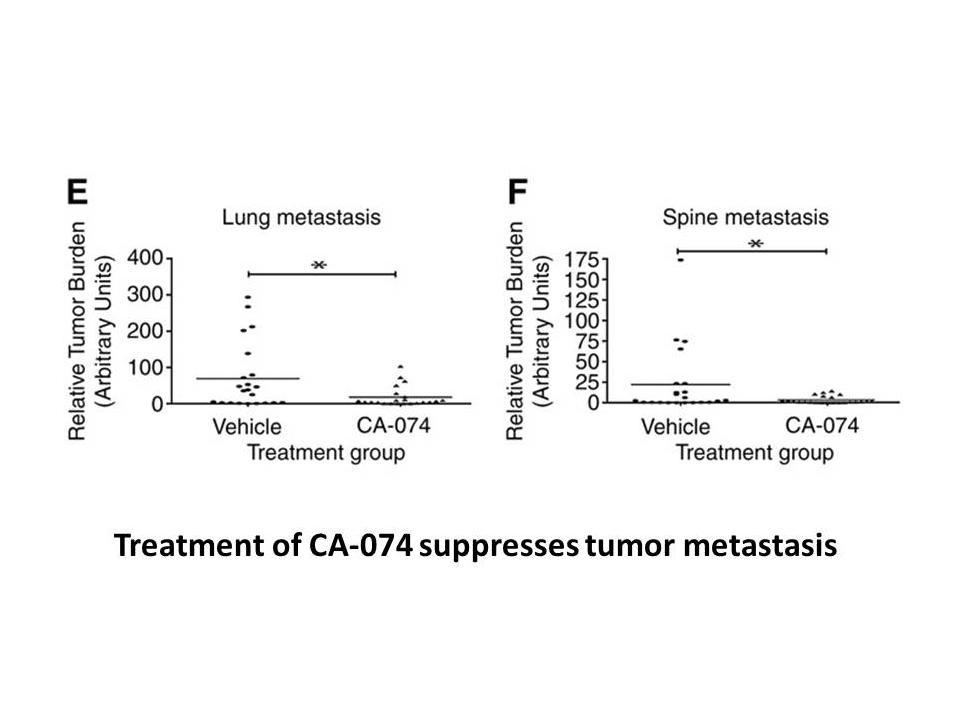
Cysteine proteases as molecular targets for trypanosomatid diseases Approaches relying on a molecular target, such as SBDD and target-based screening, have supported outstanding scientific developments in current pharmaceutical R&D. By integrating experimental and computational methods, these str
-
br Conclusions Two chemical coupling agents BTDE and CDI
2020-04-22
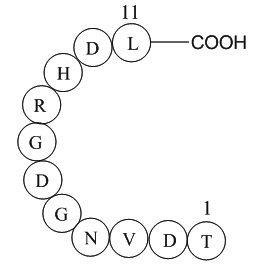
Conclusions Two chemical coupling agents, BTDE and CDI, were used to activate the free hydroxyl groups of plant cellulose powder and OPH from Flavobacterium ATCC 27551 immobilized on modified carriers by covalent linkages. The highest immobilization yields obtained in optimum conditions of effect
-
DNA methylation is associated with
2020-04-21
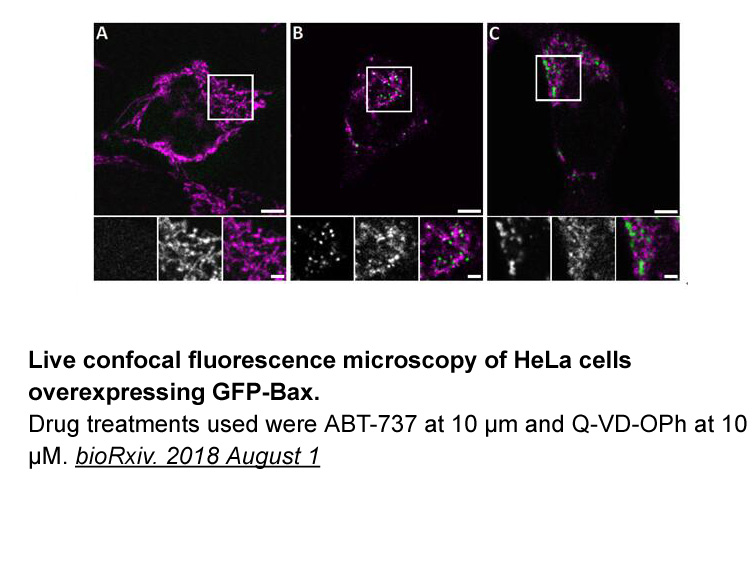
DNA methylation is associated with transcriptional silencing of tumor suppressors or other genes important for normal cellular function and plays an important role in the development of cancer and other diseases (such as breast and colorectal cancers) [19]. DNA methyltransferases (MTases) are a fami
-
br Genomic and non genomic signaling
2020-04-21
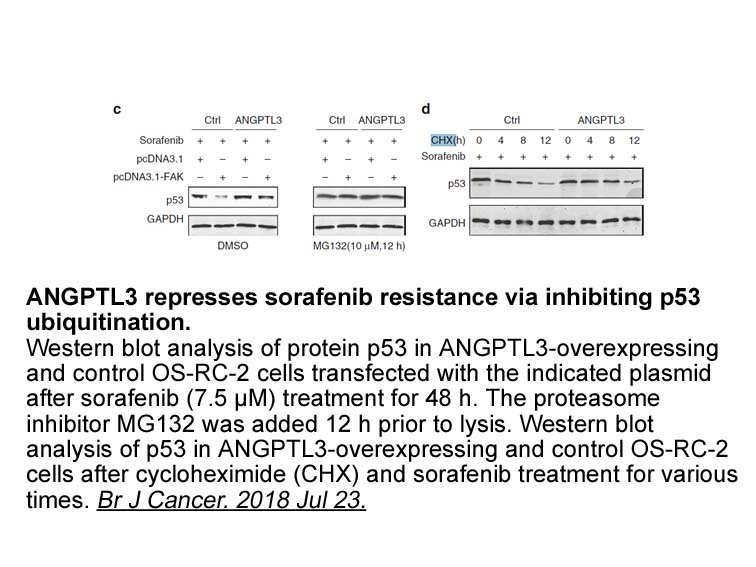
Genomic and non-genomic signaling crosstalk As exemplified in the previous sections, it is evident that the mechanisms of action of estrogen in the various cell targets represent a combination of complex multifactorial processes. Besides the independent genomic and non-genomic pathways described
-
Introduction Infection of cells by microorganisms activates
2020-04-21
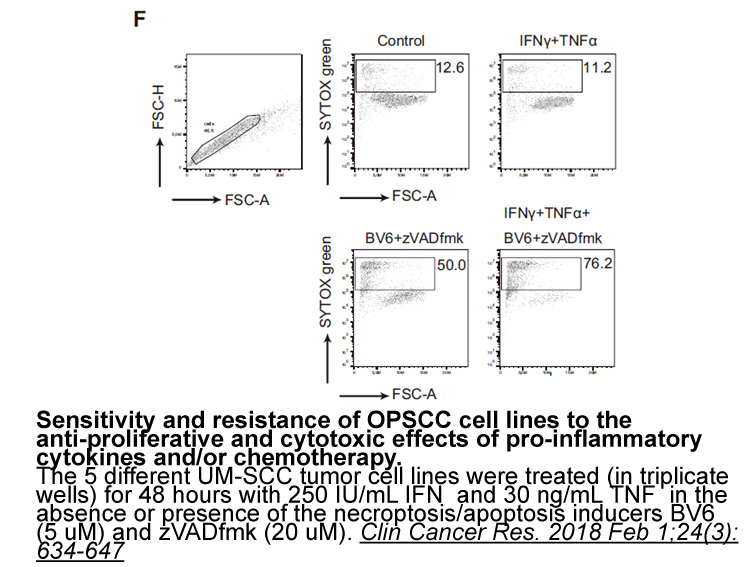
Introduction Infection of PFI-2 sale by microorganisms activates the inflammatory response. The initial sensing of infection is mediated by innate pattern recognition receptors (PRRs)including Toll-like receptors(TLRs) (Kawai and Akira, 2010; O’Neill et al., 2013).Toll-like receptor 4 (TLR4) is on
-
br Introduction As a strong analgesic morphine is
2020-04-21
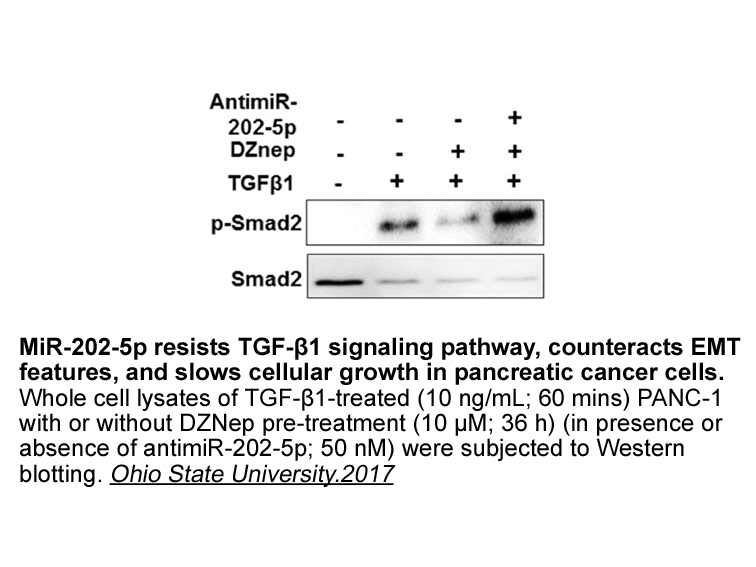
Introduction As a strong analgesic, morphine is often used to treat acute and chronic pain. However, morphine is a substance with low lipid solubility that slowly enters the nerve tissue through the blood–brain barrier and produces neurotoxicity. Morphine-induced neurotoxicity can be produced aft
16385 records 896/1093 page Previous Next First page 上5页 896897898899900 下5页 Last page