Archives
- 2026-08
- 2026-07
- 2026-06
- 2026-05
- 2026-04
- 2026-03
- 2026-02
- 2026-01
- 2025-12
- 2025-11
- 2025-10
- 2025-09
- 2025-03
- 2025-02
- 2025-01
- 2024-12
- 2024-11
- 2024-10
- 2024-09
- 2024-08
- 2024-07
- 2024-06
- 2024-05
- 2024-04
- 2024-03
- 2024-02
- 2024-01
- 2023-12
- 2023-11
- 2023-10
- 2023-09
- 2023-08
- 2023-07
- 2023-06
- 2023-05
- 2023-04
- 2023-03
- 2023-02
- 2023-01
- 2022-12
- 2022-11
- 2022-10
- 2022-09
- 2022-08
- 2022-07
- 2022-06
- 2022-05
- 2022-04
- 2022-03
- 2022-02
- 2022-01
- 2021-12
- 2021-11
- 2021-10
- 2021-09
- 2021-08
- 2021-07
- 2021-06
- 2021-05
- 2021-04
- 2021-03
- 2021-02
- 2021-01
- 2020-12
- 2020-11
- 2020-10
- 2020-09
- 2020-08
- 2020-07
- 2020-06
- 2020-05
- 2020-04
- 2020-03
- 2020-02
- 2020-01
- 2019-12
- 2019-11
- 2019-10
- 2019-09
- 2019-08
- 2019-07
- 2019-06
- 2019-05
- 2019-04
- 2018-07
-
The focus of this work
2020-07-29
The focus of this work was to determine which E. coli genes contribute to survival upon exposure to CAA and SO. We first analyzed the expression of certain stress response genes upon exposure to each agent, using the established Transcriptional Effect Level Index (TELI) assay [34]. The main advantag
-
Distribution of isoenzymes in the phylogenetic tree In
2020-07-29
Distribution of isoenzymes in the phylogenetic tree — In the cladogram, multiple Δ1-KSTD isoenzymes of a particular organism tend to be distributed across several clades, instead of clustered in a single clade. For instance, the five Δ1-KSTD isoenzymes from the actinobacterium R. opacus PD630 appear
-
There is substantial evidence that breast cancer c http www
2020-07-29
There is substantial evidence that breast cancer cells are highly responsive to signals from MSCs through cytokine networks, resulting in increased tumor initiating Alsterpaullone (TICs), tumor growth, metastasis, and MSC homing to the primary tumor site. Li et al. (2012) report that MSCs induce IL-
-
To test our hypothesis that the relative stability of the
2020-07-29
To test our NSC 87877 that the relative stability of the DFG-Asp-out conformation is related to promiscuity, we looked at data available in the PKIS2 set for a kinase that was tested in a state stabilized in DFG-Asp-in and the DFG-Asp-out conformation. We found data for activation loop phosphorylate
-
The finding that C forms
2020-07-29
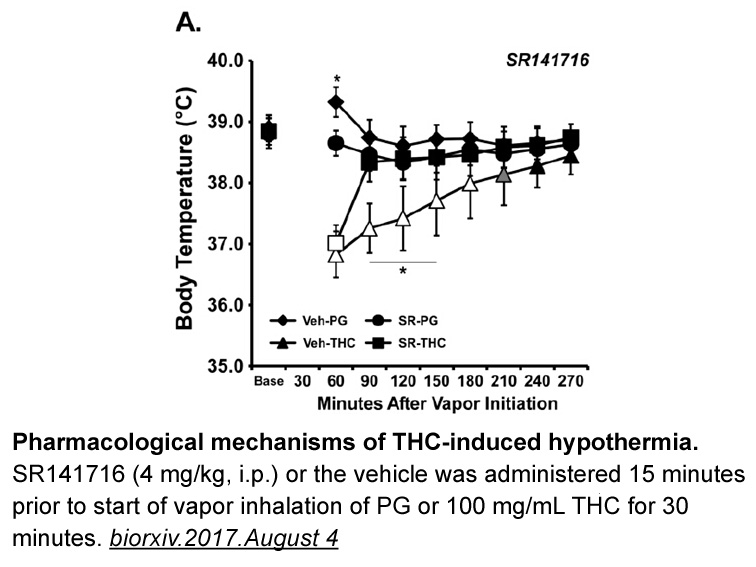
The finding that C75 forms a CoA adduct before it can inhibit CPT1 is reminiscent of the case of etomoxir. McGarry and co-workers [43], [44] showed that the CPT1 inhibitory molecules were neither tetradecylglycidic R406 nor etomoxir themselves, but rather their CoA esters produced in the presence of
-
The all NTP pyrophosphatase and
2020-07-28

The all-α NTP pyrophosphatase and NUDIX families maintain the deoxynucleotide triphosphate (dNTP) pool balance, limit the incorporation of harmful nucleotides, and represent a promising therapeutic approach to develop anticancer and immunosuppressive agents., , , , Among these housekeeping enzymes i
-
Since CRM itself does not possess any RNA binding
2020-07-28
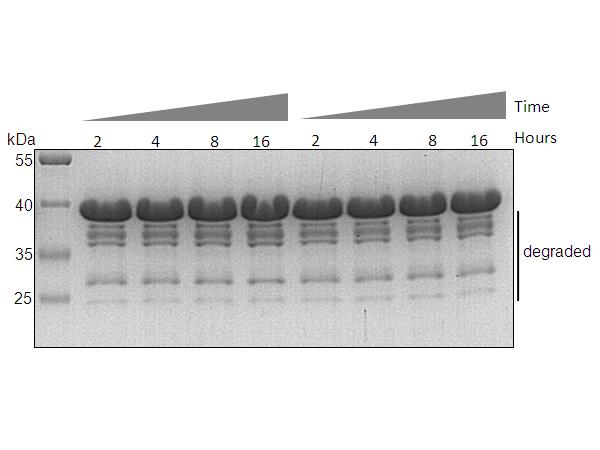
Since CRM1 itself does not possess any RNA binding affinity, an adapter protein is needed for efficient mRNA transport. The RNA-BP HuR has been shown to mediate CRM1-dependent transport for several mRNAs in HeLa citco [14], [15]. However, in DLD-1 cells, LMB incubation did not change the distributi
-
As shown in a previous report Donatti and Leite Panissi
2020-07-28
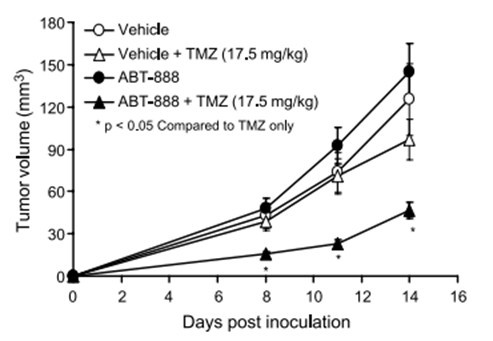
As shown in a previous report (Donatti and Leite-Panissi, 2011), microinjection of CRF into the BLA or CeA of the guinea pig increased the duration of TI episodes compared to control episodes (Fig. 2A–D). However, when the microinjection of CRF into the BLA or CeA was preceded by the injection of CP
-
br We will work in the notation
2020-07-28
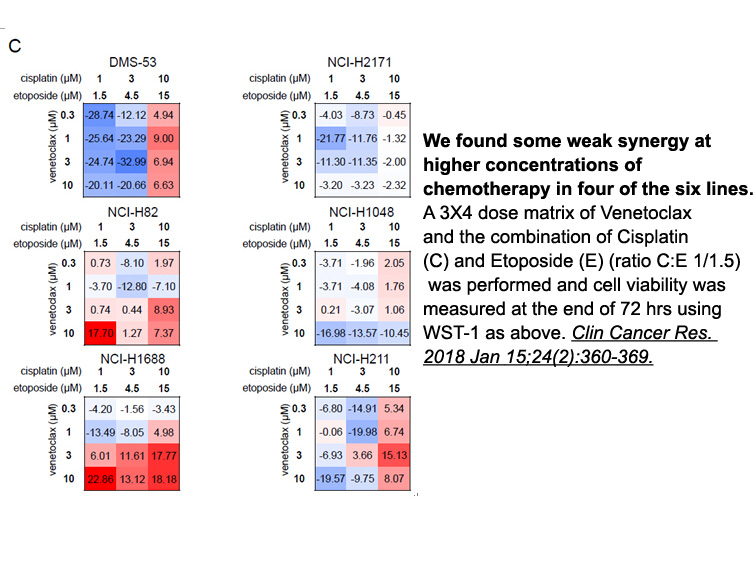
We will work in the notation of [3], [5], where the Cox ring of a rational T-variety of complexity one is encoded by a pair of defining matrices. Let us briefly recall the precise definitions we need from [5]; note that the setting will be slightly more flexible than the informal one given in the
-
In patients with CTEPH ET levels are raised and have
2020-07-28
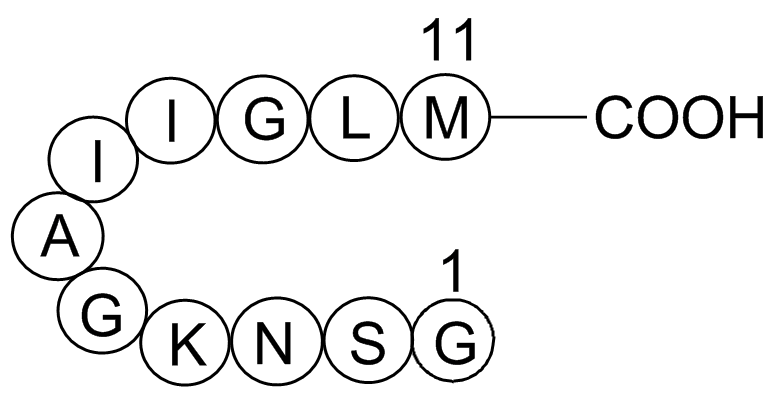
In patients with CTEPH, ET-1 levels are raised and have been shown to fall after PEA surgery [24]. After an acute pulmonary embolism there is obstruction of the pulmonary apply for by acute thrombus and elevated levels of ET-1 [28], [30]. Elevated levels of ET-1 have also been observed in air embol
-
IGF treatment elicited a rapid and short burst of
2020-07-27
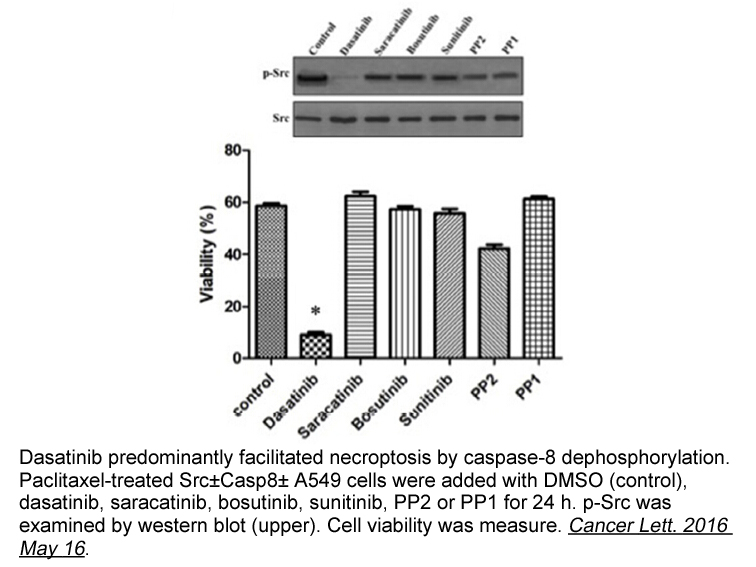
IGF-1 treatment elicited a rapid and short burst of MAPK activation in Neuro-2A beauty spot that is terminated within 15 min of stimulation. The MAPK inhibitor, U0126, completely blocked IGF-1-dependent induction of ERE-dependent gene expression, indicating that it is the critical kinase that media
-
More than thirty enzymes with PLA activity have
2020-07-27
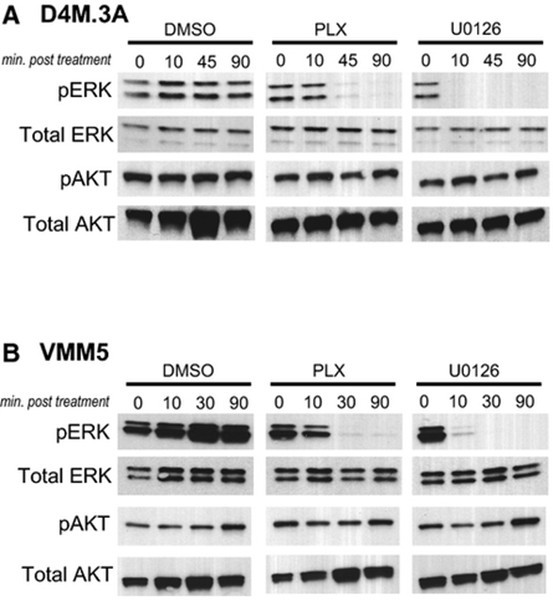
More than thirty enzymes with PLA2 activity have been described and, based on sequence similarities, they are currently classified in 16 groups, each containing several sub-groups [16]. However, based on biochemical features these enzymes are frequently grouped into six major families: secreted phos
-
br STAR Methods br Acknowledgments We thank
2020-07-27
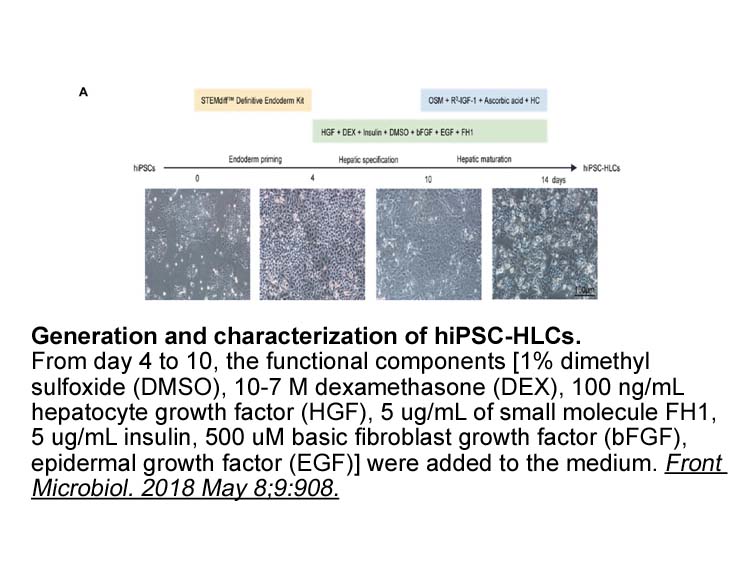
STAR★Methods Acknowledgments We thank A. Rongvaux, L. Evangelisti, J. Stein, C. Hughes, and L. Borelli for help with generating Gpr183−/− mice. We also thank L. Zenewicz for providing cDNA and G. Eberl (Pasteur Institute) for providing Rorc(γt) transgenic mice. R.A.F. is an investigator of the
-
In the present study we revealed for
2020-07-27
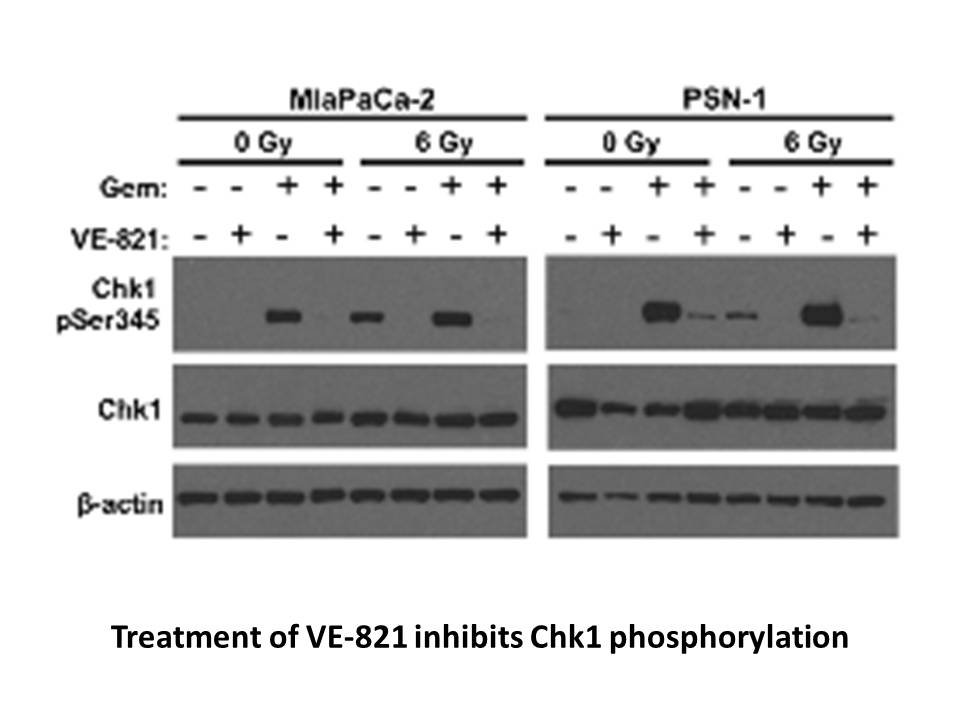
In the present study, we revealed, for the first time, the time-dependent inhibition of CYP3A activity by TP in RLM and hepatocytes. The inhibitory activity of TP on rat CYP3A without pre-incubation was relatively weak, with an IC50 value of 190.8μM. However, a much stronger inhibitory effect was ob
-
Introduction Quassinoids are natural products formed through
2020-07-27
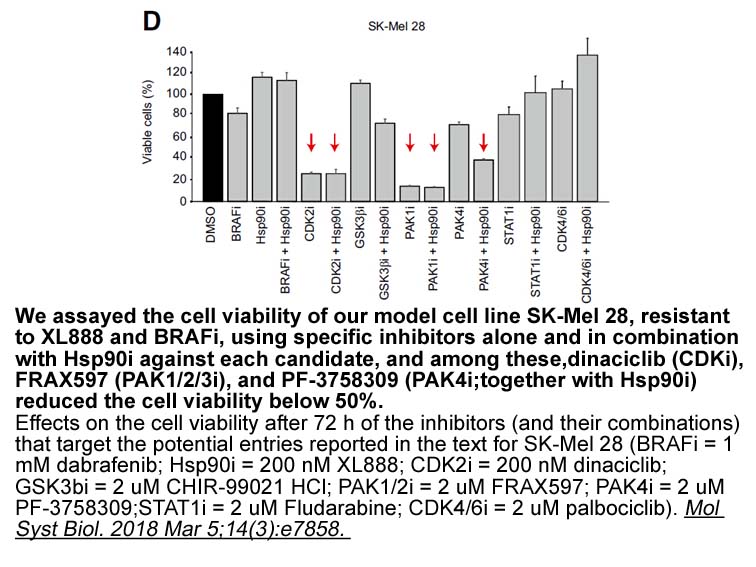
Introduction Quassinoids are natural products formed through the oxidative degradation of triterpene derivatives with anti-inflammatory, antimicrobial, antineoplastic, and antiplasmodial effects (Chakraborty and Pal, 2013; Houël et al., 2013). They are characteristic ingredients of the family Simar
16386 records 852/1093 page Previous Next First page 上5页 851852853854855 下5页 Last page