Archives
- 2026-10
- 2026-09
- 2026-08
- 2026-07
- 2026-06
- 2026-05
- 2026-04
- 2026-03
- 2026-02
- 2026-01
- 2025-12
- 2025-11
- 2025-10
- 2025-09
- 2025-03
- 2025-02
- 2025-01
- 2024-12
- 2024-11
- 2024-10
- 2024-09
- 2024-08
- 2024-07
- 2024-06
- 2024-05
- 2024-04
- 2024-03
- 2024-02
- 2024-01
- 2023-12
- 2023-11
- 2023-10
- 2023-09
- 2023-08
- 2023-07
- 2023-06
- 2023-05
- 2023-04
- 2023-03
- 2023-02
- 2023-01
- 2022-12
- 2022-11
- 2022-10
- 2022-09
- 2022-08
- 2022-07
- 2022-06
- 2022-05
- 2022-04
- 2022-03
- 2022-02
- 2022-01
br Hypothesis The hypothesis is that AhR in
2023-10-03
Hypothesis The hypothesis is that AhR in skin diseases could be an objective of study for future dermatological therapies. Both stimulation and inhibition of the receptor might have significant influences on neoplastic or inflammatory skin diseases. However, at present the functions of AhR are un
br Concluding Remarks The effects of point mutations of the
2023-10-03
Concluding Remarks The effects of point mutations of the four ARs on ligand binding affinities, functional potencies, and efficacies constitute a valuable source of pharmacological information. We analyzed the existing data and mapped it on the collection of available AR crystal structures, allow
Ethanol can affect biological systems directly or
2023-10-03
Ethanol can affect biological systems directly, or also through the interactions between these systems, which become important in the actions promoted by alcohol consumption. Its metabolites acetaldehyde and acetate play a key role in the her2 inhibitor mediating some effects of ethanol (Israel et
br Introduction Fungi are an inexhaustible source of
2023-10-03
Introduction Fungi are an inexhaustible source of natural products mainly due to their wide distribution in the nature, estimated to range from 1.5 to 5.1 million species in the world [1]. Secondary metabolites from fungi represent a substantial fraction of drugs and drug models in pharmaceutical
A previous study reported that the serotonergic
2023-10-03
A previous study reported that the serotonergic mechanism was involved in the psychological stress-induced alteration in synaptic plasticity in the rat hippocampal CA1 field (Matsumoto et al., 2004). Sumitaka Inoue et al. (Inoue et al., 2014) reported that pretreatment with a 5-HT1A receptor partial
The ATX LPA signaling axis has been implicated in
2023-10-03
The ATX–LPA signaling “axis” [5] has been implicated in a perplexing variety of physiological and pathophysiological processes, including vascular and neural development [5], [26], [27], [28], [29], tumor progression and metastasis [30], [31], lymphocyte trafficking [22], bone development [32], neur
Inactivation of autophagy can also impact the surface intern
2023-10-03
Inactivation of autophagy can also impact the surface internalization of MHC I molecules, leading to increased antigen presentation. Inactivation of autophagy factors Atg5 and Atg7 in DCs causes elevation of MHC I surface levels by decreasing endocytosis due to a poor recruitment of adaptor-associat
Although the LB domains of
2023-10-03
Although the LB2 domains of mGlu receptors have not been shown to form an extensive interface during activation, they do draw closer to each other, as demonstrated in crystal structures (Kunishima et al., 2000, Muto et al., 2007, Tsuchiya et al., 2002) and by FRET analysis (Doumazane et al., 2013, V
br Results br Discussion ER and GR
2023-10-03
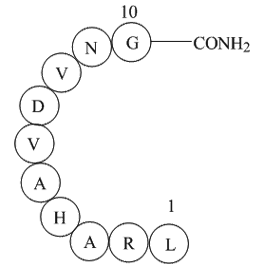
Results Discussion ER and GR play opposite phenotypic roles in the normal endometrium, with ER promoting growth and GR inhibiting growth. Here, we show that in endometrial cancer, GR expression is associated with worse outcomes and higher-grade tumors, and this association is observed only in
Pioneering studies on the immunomodulatory role of adenosine
2023-10-01
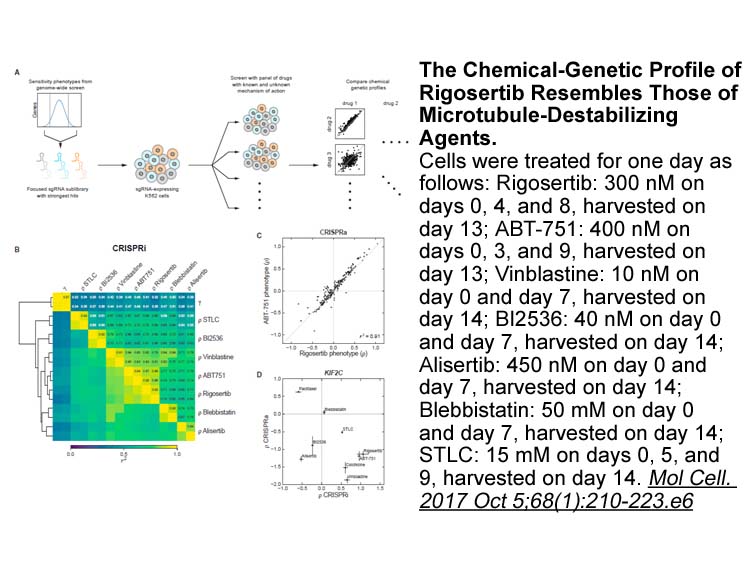
Pioneering studies on the immunomodulatory role of adenosine date back to the early ‘70 s of last century (Fig. 1), when the critical role of this nucleoside in shaping the development and the activity of several immune cell populations was first established [[18], [19], [20], [21], [22]]. This then
ZM 447439 receptor br Introduction Adenosine deaminase ADA a
2023-10-01
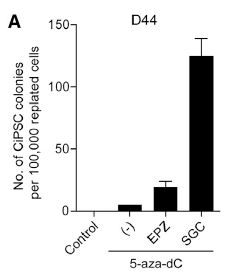
Introduction Adenosine deaminase (ADA), also known as adenosine aminohydrolase, is a key enzyme involved in the purine metabolism that converts adenosine to inosine irreversibly (Lupidi et al., 1997). It is a zinc containing metalloenzyme present in both prokaryotes and eukaryotes. In humans ADA
Several genes related to metabolism post transcriptional
2023-09-28
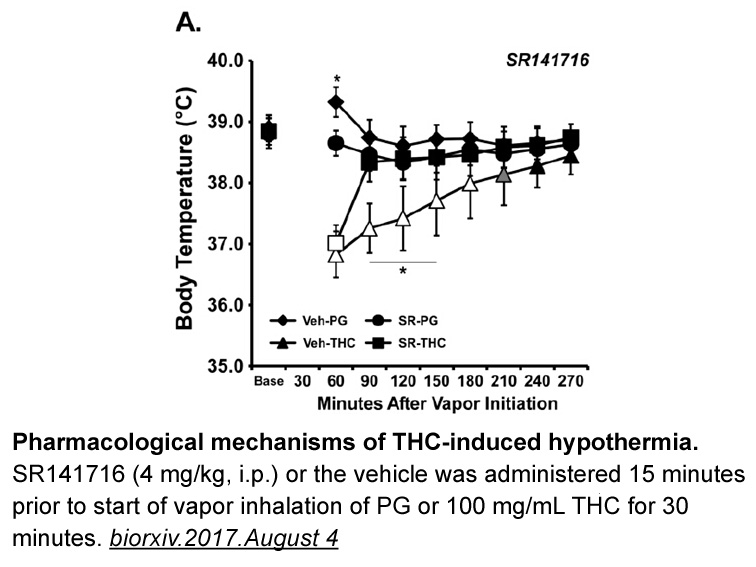
Several genes related to metabolism, post-transcriptional regulation, chromatin structure, and signaling pathways are required for the sexual development and virulence of G. zeae (Baldwin et al., 2010, Bluhm et al., 2007, Ding et al., 2009, Han et al., 2007, Hou et al., 2002, Jenczmionka et al., 200
ATM dependent initiation of radiation induced G M
2023-09-28
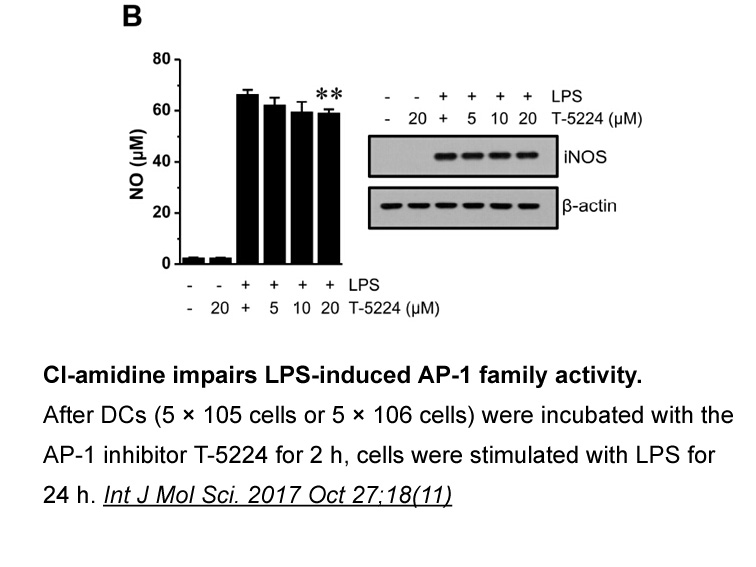
ATM-dependent initiation of radiation-induced G2/M checkpoint arrest is well established [11], [34], [35]. However, the ATR pathway may also be involved [36], [37]. Brown and Baltimore generated Cre/lox-conditional cell lines or etretinate with a kinase inactive allele of ATR (ATRkd) to evaluate th
br Conclusions In summary the present results showed that
2023-09-28
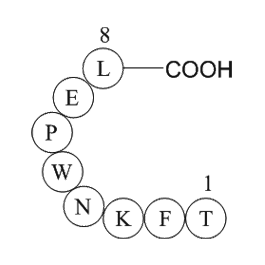
Conclusions In summary, the present results showed that ageing diminished arginase activity only in clearance tissues and that l-arginine supplementation did not induce major changes in arginase activity thus refuting a role of arginase in the potential deleterious effects of l-arginine supplemen
br The role of apelin in respiratory diseases At
2023-09-28
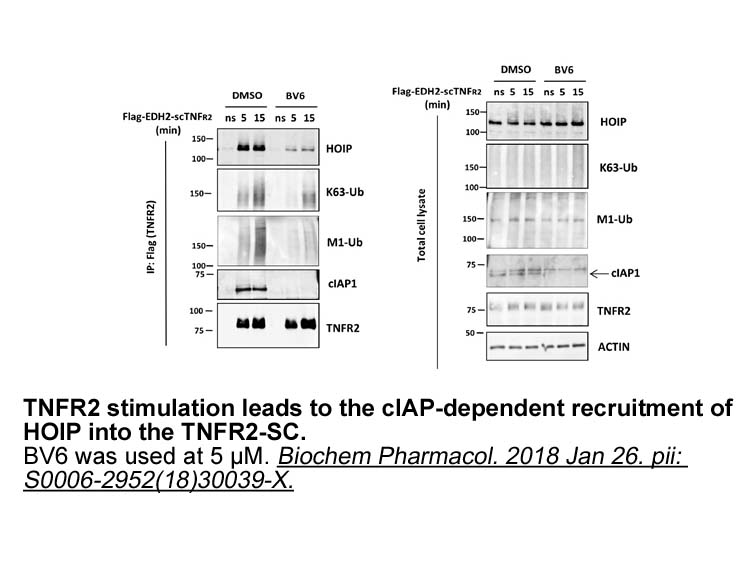
The role of apelin in respiratory diseases At present, several scientific studies have suggested that the apelin/APJ system may play an important role in the development of pulmonary diseases (Table 4). For example, in an experiment on rats suffering from acute lung injury, apelin-13 decreases th
8539 records 302/570 page Previous Next First page 上5页 301302303304305 下5页 Last page